My Story
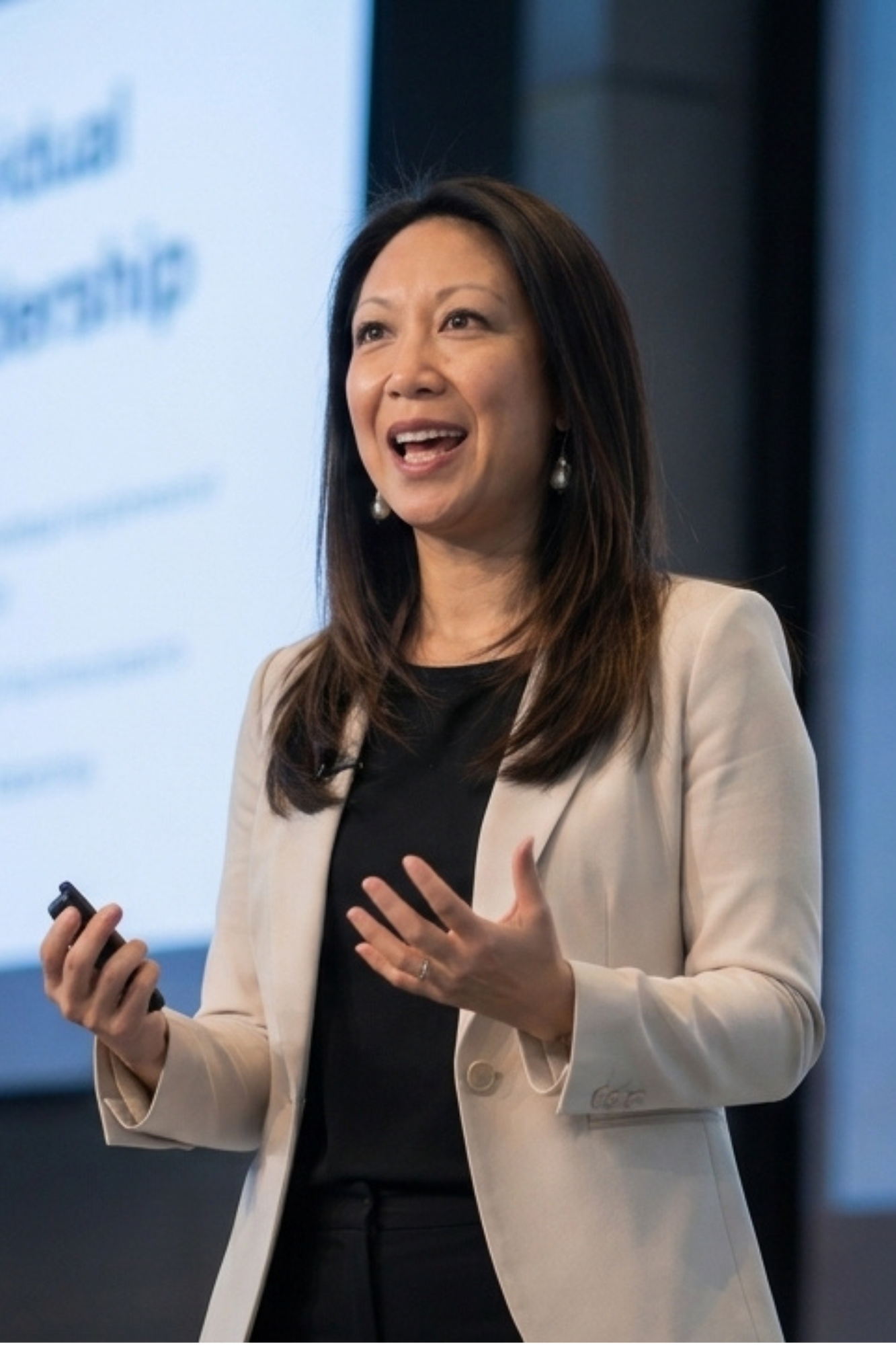
I’m Michelle. I’m an only child, a wife, and the daughter of a widowed mother. I’ve learnt to walk through life with grief, and through it, I’ve learnt that inner peace isn’t something you find. It’s something you build through the choices you make.
For over 20 years I built a career in HR – six countries, ten cities, large matrixed organisations across multiple industries. My last corporate role reported to the Chief People Officer.
Back in 2012, three things hit at once. A job I really didn’t like. A relationship breakup. A major argument within the family.
I became so consumed by my own thoughts that they drained my energy.
No corporate title, no meaty bonus, nor profitable company was going to pull me out of that mental state.
I had spent years learning how to build a career. I realised I had never learnt how to manage the mind making the decisions that built my life.
Then, almost by coincidence, I stumbled across a question in a book:
“When you leave this world, what movie title would describe your life?”
I couldn’t answer it.
I realised I was trying to imagine the ending without understanding what creates the scenes along the way.
A life is built scene by scene through our identity, thoughts, emotions, and decisions.
So I started working backwards.
Instead of asking, “What should I do?” I asked:
“What intentional choice moves me closer to the movie title I want my life to have?”
That became the question I’ve been living with ever since.
But the truth is, I’d been given a glimpse of the consequences long before 2012.
Growing up, my mother worked in Accident & Emergency. She once told me about a teenage
boy who had jumped from a building trying to end his life. He survived, but was paralysed.
My father spent his career counselling people battling depression, addiction and suicidal thoughts.
Neither of my parents ever worked in the corporate world. But between them, I learnt the
same lesson twice.
It doesn’t matter what company you work for, what your title says, or what success is supposed to look like. If you don’t look after your mind, it costs you eventually.
I didn’t want to be a patient in either of their worlds.
And suddenly, the question from that book made sense to me in a completely different way.
I was trying to make sure that the choices I was making today wouldn’t create a life I would regret tomorrow.
So that’s the project I’ve been running ever since.
It’s still the only question that matters to me.
What changed wasn’t my ambition. It was how I got there.
Every promotion, every new role, every move to a new country, every new connection – each one a decision made with equanimity – calm, clarity, and alignment with who I wanted to be in that moment.
Eight promotions in 13 years. Four global HR roles. An investment portfolio I built with no finance background. A network spanning the world, built on real connection.
None of it was the goal. It’s what happened when decisions were intentional instead of reactive.
I couldn’t have promised myself, back in 2012, that this is where it would lead. What I
could promise myself was this: if I kept making unintentional, reactive
choices, I already knew I would end up with regret.
That’s how Architect Your Mind was born.
The quality of your life is shaped by the quality of the decisions you make.
And every decision starts further back than we think, with how we see ourselves, what we think, what we feel, and how we choose to show up.
You don’t need to change who you are. You need to understand what is happening before you make the decisions that shape your life.
Your Story
My story isn’t about becoming a different person.
It is about learning to understand what was happening inside me before I made the decisions that shaped my life.
That’s what I now help you do.
I work one-on-one with VPs, Directors and Managers who are already high performers, but who are asking a bigger question:
Are the decisions I’m making today creating the life I actually want to live?
Because success can become its own trap.
A job title gives you identity. A promotion gives you validation. A bigger role gives you status.
But when your worth becomes tied to a company logo, you let someone else decide your value. And when your job becomes your whole identity, losing it can feel like losing yourself.
Together, we look beyond the decision itself – at the identity, thoughts, and emotions shaping it.
You learn to recognise your patterns, understand what drives your decisions, and make more intentional choices.
If your life were a movie, what would you want it to be called?
And are the decisions you’re making today creating the scenes that belong in it?